October 23, 2026
Choosing the right wheel material is important for vehicles that regularly travel across rough terrain. Steel wheels are known for their strength and resistance to impact, making them suitable for demanding off-road conditions. Aluminum alloy wheels are lighter, which can improve handling while reducing vehicle weight.
Wheel finishes also affect durability and appearance. Protective coatings help resist corrosion caused by moisture, mud, and road salt. When considering custom wheels, drivers should evaluate material strength, weight, and finish to find an option suited to their driving habits.
Selecting Tires for Uneven Terrain
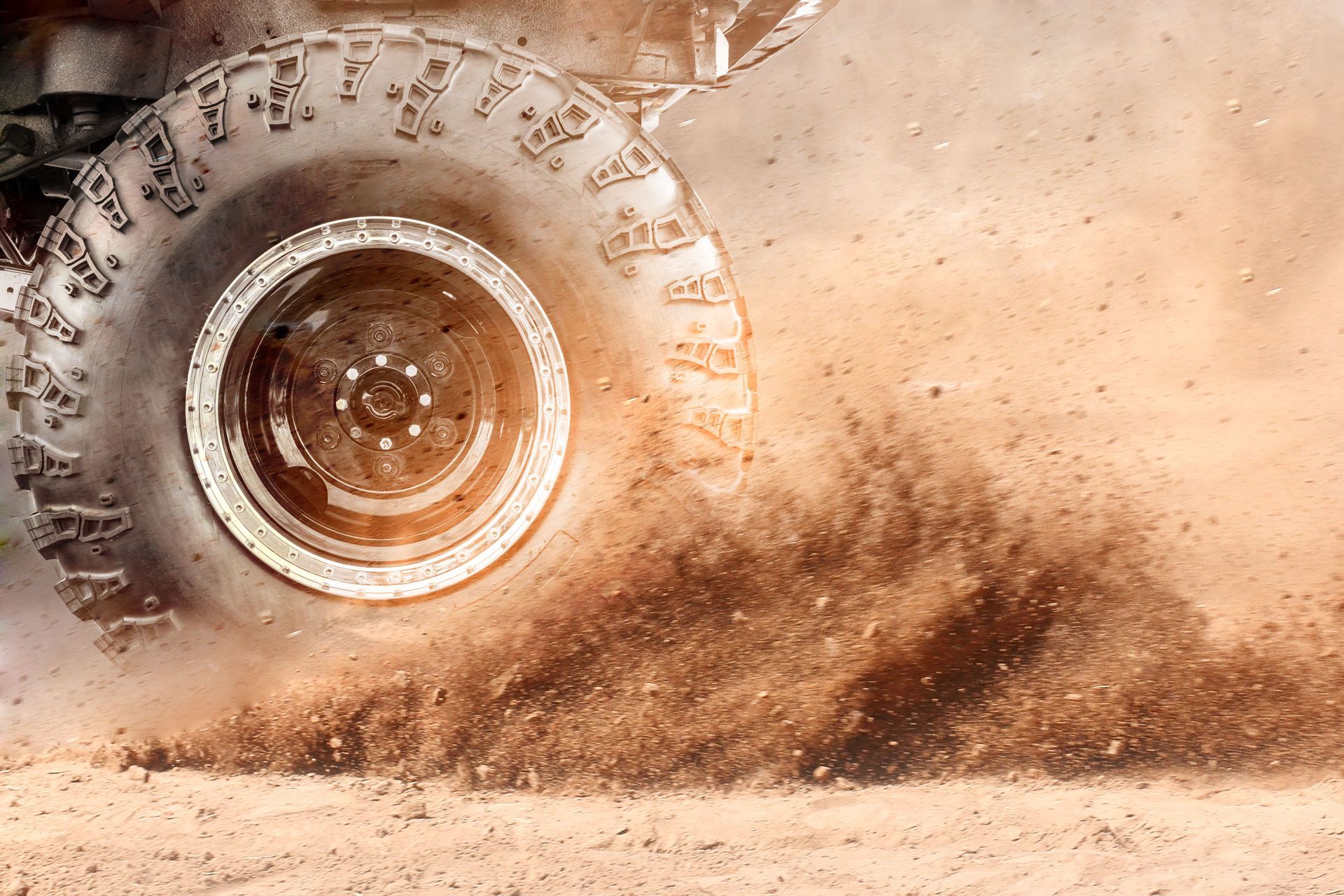
Tire selection plays a major role in how a vehicle handles gravel roads, muddy trails, and rocky paths. All-terrain tires offer a balance for drivers who travel on both highways and unpaved roads. Mud-terrain tires feature aggressive tread patterns for additional traction in loose soil, although they can produce more noise on pavement. Tread depth is equally important for safety. According to the U.S. Tire Manufacturers Association, you should visit a tire shop if your tread wears down to 2/32nds of an inch. Replacing worn tires helps maintain traction and braking performance on uneven or slippery surfaces.
When choosing custom wheels, drivers should consider tire compatibility as well as appearance. The right combination supports reliable handling while complementing the vehicle's intended use. Driving conditions, including mud, sand, gravel, and wet pavement, should influence tire selection.
Choosing the Right Wheel Size and Fitment
Wheel size affects ground clearance, handling, braking, and ride comfort. Larger wheels can create an aggressive appearance, but they may require lower-profile tires that provide less cushioning over rocks and potholes. Smaller wheels with taller tire sidewalls can offer additional impact protection and a more comfortable ride on uneven roads.
Fitment is another important consideration when upgrading custom wheels. Wheels must match the vehicle's bolt pattern, offset, center bore, and load requirements. Incorrect fitment can cause tire rubbing, uneven wear, or interference with braking and suspension components.
Professional guidance helps drivers choose wheels that meet manufacturer specifications without compromising safety. The right setup should support the desired appearance while maintaining dependable steering, stability, and braking performance.
Understanding Load Ratings and Tire Pressure
Load ratings indicate how much weight a tire can safely support. Drivers who carry passengers, camping supplies, or recovery equipment should select tires and wheels with appropriate load capacities. Exceeding these limits can increase the risk of damage and reduce stability on challenging terrain.
Tire pressure also affects traction, handling, and durability. Requirements vary according to the vehicle, tire specifications, load, and driving conditions. Following manufacturer recommendations and seeking professional guidance about off-road adjustments can help prevent unnecessary wear and improve performance.
When purchasing custom wheels, drivers should ensure the complete setup can support the vehicle and its expected cargo. Appropriate load ratings, compatible tires, and regular professional inspections help maintain reliable performance.
Comparing All-Terrain and Mud-Terrain Options
All-terrain tires suit drivers who encounter a mixture of paved roads and unpaved surfaces. Their tread patterns balance traction, comfort, and road handling, making them a versatile choice for many trucks and Jeeps. They can handle gravel, dirt, and moderate trails without the pronounced noise associated with some specialized off-road tires.
Mud-terrain tires are designed for demanding conditions, including deep mud and loose soil. Their larger tread blocks and wider grooves help maintain grip on soft surfaces. However, they may create a rougher highway experience and wear more quickly when frequently driven on pavement.
The best option depends on where and how the vehicle is used. Pairing appropriate tires with custom wheels helps balance traction, durability, and appearance. A professional accessories specialist can recommend options based on driving conditions and vehicle requirements.
Evaluating Sidewall Strength and Tire Protection
Tire sidewalls support vehicle weight and absorb impacts from uneven surfaces. Off-road driving exposes them to rocks, roots, and sharp debris that can cause cuts or punctures. Tires designed for rugged conditions may include reinforced sidewalls for added protection.
Sidewall height also influences comfort. Taller sidewalls generally provide more cushioning between the wheel and road, while shorter sidewalls can create a firmer ride. Choosing the right combination is important for trucks and Jeeps used on both trails and everyday roads. The right custom wheels should complement the selected tires and their intended use. Appropriate wheel dimensions and tire sidewalls can help reduce impact damage while balancing trail durability and everyday comfort.
Considering Suspension Compatibility and Ground Clearance
Suspension compatibility matters when modifying a truck or Jeep for off-road driving. Lift kits can increase ground clearance and create room for larger tires, helping vehicles navigate certain rocks and ruts. However, changing ride height can affect handling, steering geometry, braking components, and the vehicle's center of gravity.
Larger wheels and tires should be evaluated alongside suspension specifications. An incompatible setup may cause tire rubbing or place additional stress on vehicle components. Professional installation and compatibility checks help ensure that wheel upgrades work with the existing configuration. When selecting custom wheels, drivers should consider suspension setup and typical terrain. A balanced configuration supports dependable handling without creating unnecessary fitment problems.
Prioritizing Safety and Road Compliance
Vehicle modifications must meet applicable safety requirements and local regulations. Rules may address tire coverage, wheel dimensions, vehicle height, and other equipment affected by off-road upgrades. Drivers should confirm that planned modifications comply with relevant requirements.
Safety also depends on tire and wheel condition. Worn tread, damaged sidewalls, bent rims, and loose mounting hardware can compromise handling on rough surfaces. Regular professional inspections help identify problems before they become more serious.
Choosing custom wheels from a reputable supplier helps drivers find products suited to their vehicles. Proper installation, appropriate load ratings, and compatible tires all contribute to safe operation and reliable handling.
Maintaining Performance on Challenging Roads
Rough terrain can accelerate wear on wheels, tires, suspension components, and steering systems. Rocks and potholes may damage wheel surfaces, while mud and moisture can contribute to corrosion. Regular professional inspections help identify damage and keep the vehicle ready for continued use.
Wheel alignment is also important for dependable handling. Misalignment can cause uneven tire wear, steering problems, and reduced stability. Following wheel or suspension upgrades, professional evaluation can help confirm that the vehicle remains properly aligned.
Drivers should pay attention to unusual vibration, changes in steering response, and visible tire damage. These symptoms may indicate wheel imbalance or other issues requiring inspection. Maintaining custom wheels and compatible tires helps preserve appearance and performance across different driving environments.
Successful wheel customization starts with understanding how a vehicle will be used. Drivers who mainly travel on highways may prioritize comfort and appearance, while frequent off-road travelers may need stronger components and tires designed for demanding terrain. Evaluating these priorities helps ensure upgrades provide practical benefits. A professional accessories provider can help compare wheel sizes, finishes, load ratings, tire compatibility, and suspension requirements. This guidance is especially valuable when selecting products for a specific truck or Jeep model.
For drivers considering custom wheels, Top Shop Truck & Jeep Accessories can help identify options suited to their vehicles and preferences. Contact Top Shop Truck & Jeep Accessories to discuss wheel styles, fitment requirements, and compatible tire options for your next upgrade. The right combination can enhance your vehicle's appearance while supporting dependable performance on roads and trails.