May 23, 2026
In the realm of automotive design, the diameter of a vehicle's wheels plays a critical role in both performance and aesthetics. As the car industry advances, so does the sophistication behind choosing the right wheel diameter to optimize these attributes. The essence of customizing wheels extends beyond mere physical appearance; it integrates with a vehicle’s performance dynamics and overall driving experience. This article delves into the multi-faceted impact of wheel diameter, spotlighting the benefits and considerations associated with opting for custom wheel solutions.
1. How Does Wheel Diameter Affect Vehicle Performance?
1.1 Understanding Wheel Size Dynamics
Wheel diameter is not just a simple measurement; it's a determinant of how a vehicle interacts with road conditions. Larger wheels often lead to greater surface contact with the road, potentially providing improved traction. However, this can also mean increased weight and a shift in the driver's feel of the vehicle's handling. Smaller wheels may result in a softer ride but could compromise on contact area, affecting cornering stability.
The dynamics of wheel size impact tire life, braking distance, and even the noise level perceived inside the cabin. It's a delicate balance, where variables such as alloy materials and tire width play significant roles. According to Yahoo, the 13 to 19 inch wheels segment dominates the automotive wheels aftermarket industry with the largest market revenue, highlighting a common range where performance and comfort meet. Understanding these dynamics can lead to more informed choices in customizing wheels.
Custom wheel choices allow drivers to tailor their vehicles for specific driving conditions, optimizing performance dynamics. For example, a larger wheel may be preferred for sporty handling, while smaller wheels could enhance ride comfort on uneven terrain. This balance is critical, as improper wheel sizes can strain suspension systems and negatively influence fuel consumption. Therefore, understanding the intricate relationship between wheel size and vehicle dynamics is essential for achieving desired driving outcomes.
1.2 Impact on Speed and Handling
The diameter of a vehicle’s wheels can significantly influence speed and handling characteristics. Larger wheels generally facilitate higher speeds due to an increased circumference that covers more ground per revolution. This relationship, however, is balanced against the risk of reduced acceleration due to increased rotational mass. Conversely, smaller wheels may enhance acceleration but at a reduced maximum speed, demonstrating the importance of selecting a wheel size that aligns with a driver’s primary needs.
Handling is another aspect directly affected by wheel diameter, as it influences the geometry and center of gravity of the vehicle. A larger wheel diameter can stabilize a vehicle during turns by lowering the center of gravity. On the downside, if not matched correctly with the vehicle's suspension settings, it could lead to decreased maneuverability and rougher rides. By customizing wheel options, one can find the optimal balance between smooth maneuverability and speed efficiency.
Custom wheel solutions offer a method to enhance specific handling characteristics desired by drivers, aligning wheel size with suspension tuning. This optimization can provide performance-oriented outcomes, where speed and cornering grip are at the forefront. The ability to tailor these aspects allows for personalized driver experiences and improvements in both competitive and everyday driving scenarios. Thus, strategic selection in wheel diameter and supporting components is crucial for achieving premium vehicle performance.
2. What Are the Benefits of Custom Wheel Sizes?
2.1 Tailoring Wheels for Specific Needs
Custom wheel options play a significant role in addressing the unique needs of different drivers and vehicles. For individuals who frequently travel on diverse road terrains or are involved in competitive racing, the need for tailored wheel configurations is paramount. Custom wheels can adapt to requirements for enhanced traction, handling precision, and durability specific to intended use cases. By customizing wheel dimensions, vehicle owners attain better outcomes aligned with their driving practices and preferences.
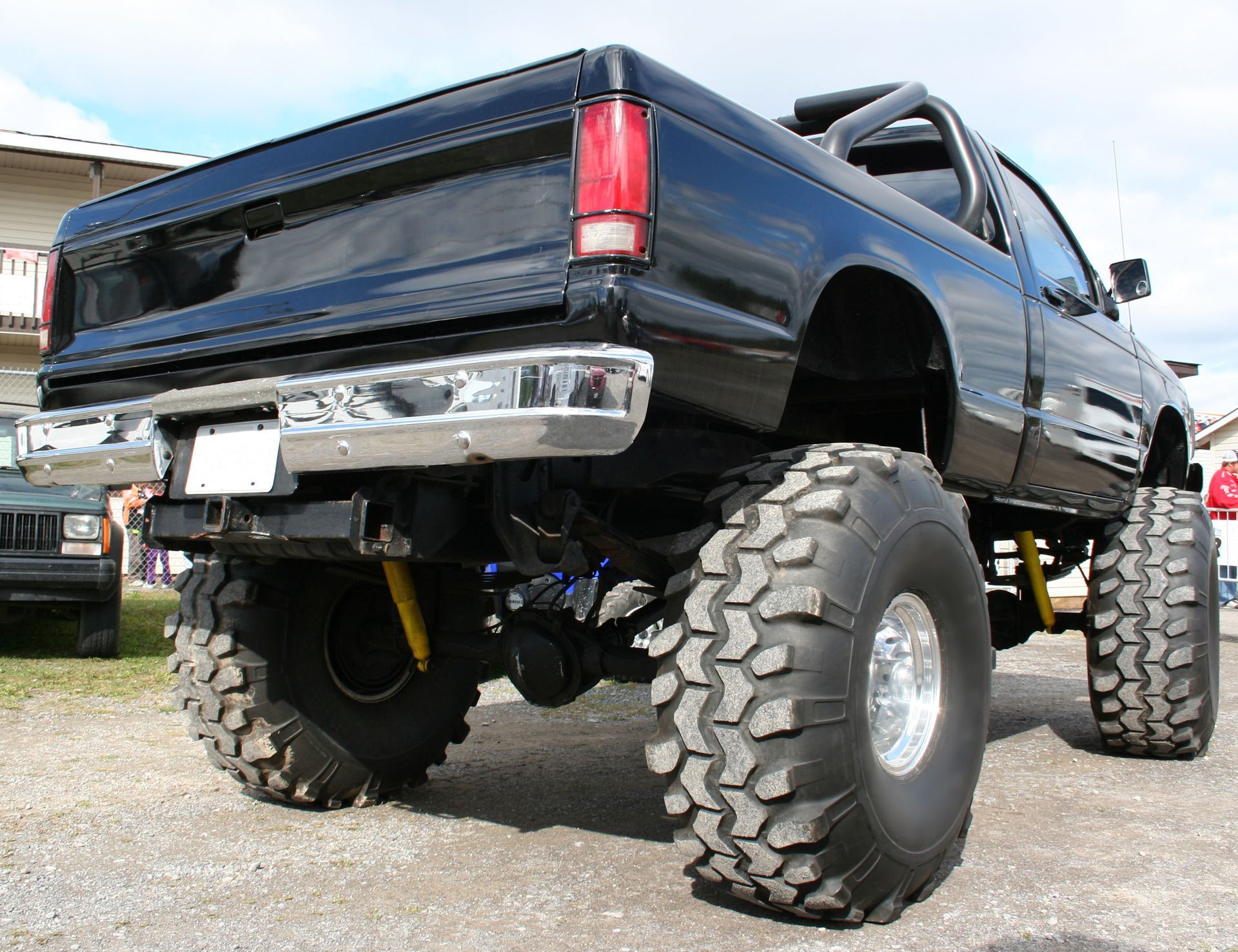
Another advantage of custom wheel solutions is the accommodation of specific vehicular modifications, such as lift kits or lowered suspension settings. Customization ensures that wheels complement alterations, maintaining vehicle safety and mechanical integrity. Custom options also allow adjustments in wheel offset, optimizing handling and steering dynamics under modified conditions. The result is a harmonious integration of upgraded components, underscoring the theme that personalized wheel solutions enhance specific functional attributes.
2.2 Enhancing Vehicle Appearance with Custom Wheels
While performance and practicality are critical, aesthetic enhancement remains a pivotal reason for selecting custom wheels. Appearance is more than just skin-deep for vehicle enthusiasts; it’s an extension of one’s personality and brand allegiance. Custom wheels offer myriad styles, finishes, and materials that align with the visual expectations of car owners, dictating a vehicle’s style quotient. Consequently, wheels have become central features in automotive customization, defining a vehicle's broader aesthetic presence.
This desire for unique appearances has resulted in diverse design trends, including aggressive spoke patterns, deep concave aesthetics, and unique chromatic finishes. Custom wheels elevate standard vehicles to new aesthetic heights that resonate with individualistic expressions and preferences. Interestingly, this cosmetic pursuit does not deter practicality; rather, it is merged with functionality, aiming to enhance both style and vehicle effectiveness simultaneously. This reinforces the value proposition for custom wheel enthusiasts committed to integrating style with automotive performance.
3. What Factors Should Be Considered When Choosing Custom Wheels?
3.1 Analyzing Vehicle Specifications
Choosing custom wheels necessitates a comprehensive analysis of vehicle specifications to ensure proper fitment and performance compatibility. Each make and model has unique requirements such as bolt pattern, offset, and hub diameter, which must align with the proposed custom wheel designs. Compatibility is foundational to safety and performance, underscoring the need for precision in matching wheels to a vehicle's structural parameters. Custom wheel selection must therefore begin with a detailed specification analysis phase.
This preemptive analysis phase also considers the weight capacity of potential wheel options, ensuring they can support the vehicle under various conditions. Failure to comply with manufacturer specifications might result in compromised durability or adverse handling outcomes. Therefore, any slight deviation in design specifications should be approached with caution. Ultimately, a thorough understanding of vehicle specifications informs strategic customization that enhances rather than hinders overall vehicle performance.
3.2 Compatibility with Vehicle Purpose
Understanding the intended vehicle purpose aids in selecting custom wheels that complement the vehicle's operational sphere. Different wheels may be appropriate for varying purposes, such as daily commuting, off-road excursions, or high-speed track racing. Each of these applications has unique demand profiles for traction, stability, and safety, creating a need for specific wheel configurations. Recognizing and addressing these application nuances help ensure seamless wheel performance aligned with user expectations.
Vehicle owners must also consider tire compatibility as they affect traction, ride comfort, and overall vehicle dynamics. These factors contribute to defining the functional constraints within which custom wheels operate. Without alignment with the vehicle's intended use, custom wheels may not fully exploit their potential or could introduce functional setbacks. Consequently, compatibility with vehicle purpose plays an integral role in achieving customization success, meriting substantial attention during the selection process.
Achieving the ultimate balance in wheel diameter through custom options entails a deep understanding of the intricate dynamics involved in vehicle performance and aesthetics. Custom wheels offer a personalized pathway to enhance vehicle functionality while simultaneously elevating its visual appeal. Yet, the benefits of custom wheels are maximized through informed decision-making that aligns with performance intentions and compatibility considerations.
This exploration demonstrates that custom wheels combine innovative design with practical functionality, allowing drivers to tailor their automotive experiences. Careful selection, based on robust analysis and adherence to mechanical and legal standards, ensures that benefits such as improved handling, aesthetics, and fuel efficiency are realized. Ultimately, custom wheel adoption is more than a superficial upgrade; it’s a strategic investment in optimizing driving experiences to match individual needs and preferences.
The growing dominance of the 13 to 19 inch wheels segment within the automotive aftermarket underscores the popularity and functional viability of such sizes. By choosing appropriate custom wheels, consumers affirm their commitment to automotive excellence, pursuing enhancements that align with personal value propositions. This journey, guided by innovation and technical insights, cements custom wheels as quintessential elements in modern vehicle optimization, paving the way for enriched driving adventure. Reach out to Top Shop Truck & Jeep Accessories today to see how we can help you!