May 20, 2026
Choosing a lift kit is one of the most noticeable ways to change the look, clearance, and capability of a truck, SUV, or off-road vehicle. The right setup can create room for larger tires, improve trail performance, correct an uneven stance, or give your vehicle a more aggressive appearance. However, not every system is built for the same purpose. Some options focus on appearance, while others are made for more demanding off-road use.
This guide explains the main options drivers compare when planning a lift kit upgrade: suspension lift kits, body lift kits, leveling kits, coil spring spacers, torsion key lifts, shackle reversal systems, long-arm lift kits, and short-arm lift kits. Each option has its own strengths, costs, and installation needs. By learning how these systems work, you can make a better decision for your vehicle, driving style, and long-term goals.
Before choosing any setup, think about how often the vehicle will be driven on pavement, how much trail use it will see, and whether the added height is mainly for style or function. According to Drift Travel Magazine, lift kits generally come in two primary types: body lift kits, which elevate the vehicle’s body from the frame by about one to three inches without altering the suspension system, and suspension lift kits, which raise the frame-to-axle distance to improve ground clearance and enhance off-road performance. However, there are many other options. A balanced choice can improve appearance without making the vehicle harder to live with. The best results usually come from matching the height increase to the vehicle’s suspension design, tire plans, and normal driving conditions.
1. Suspension Lift Kits
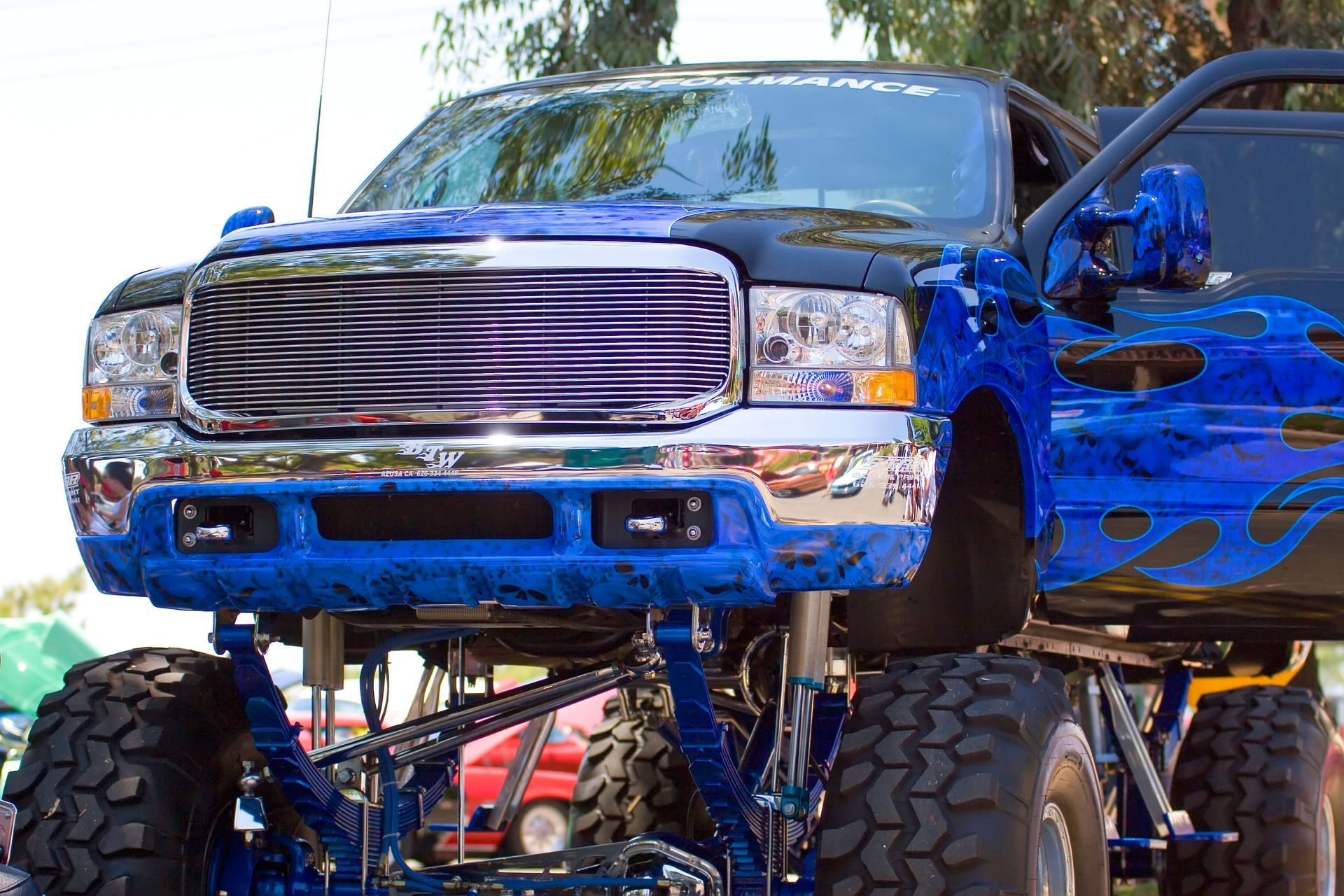
Suspension lift kits raise a vehicle by modifying the suspension system. Instead of only creating space between the body and frame, this type of system increases the distance between the axles and the frame. That added height can improve ground clearance, make room for larger tires, and help the vehicle handle rougher trails.
A suspension lift kit is often the preferred choice for drivers who want more than a cosmetic change. These systems may include shocks, springs, control arms, brackets, and other suspension parts. Because they affect steering, braking, alignment, and ride quality, they should be selected carefully. A larger system may look impressive, but it can also change how the vehicle handles on highways, around corners, and during sudden stops.
The main advantage of suspension lift kits is added capability. Drivers who spend time on rocky trails, muddy roads, hunting land, or uneven job sites may benefit from the extra clearance. The tradeoff is that these systems are usually more expensive and more involved to install than body lift kits, leveling kits, coil spring spacers, or torsion key lifts.
2. Body Lift Kits
Body lift kits raise the body of the vehicle away from the frame by using spacers or blocks at the body mounts. This creates additional room for larger tires without changing the suspension geometry. For drivers who want a taller look without modifying major suspension components, a body lift kit can be a practical option.
These systems are generally used for mild height increases. They can help create a more aggressive stance while keeping much of the original ride feel. Since the suspension itself is not raised, the frame, axles, and differential remain at their original height. This means body lift kits do not provide the same true ground clearance as suspension lift kits.
Body lift kits are best for drivers who want a visual upgrade or extra tire clearance for light use. They are often more affordable than suspension systems, but they still need careful installation. Steering extensions, bumper brackets, fuel filler parts, wiring, or brake lines may need attention depending on the vehicle and the amount of lift.
3. Leveling Kits
Leveling kits are designed to correct the factory rake found on many trucks and SUVs. From the factory, the rear of the vehicle may sit slightly higher than the front to support towing and hauling. A leveling system raises the front end so the vehicle sits more evenly from front to back.
A leveling lift kit is usually a good choice for drivers who want a cleaner stance without a dramatic height increase. It can also create space for slightly larger tires. This makes it popular with daily drivers, work trucks, and light off-road vehicles that do not need a full suspension system.
Leveling kits may use coil spring spacers, torsion key lifts, or other vehicle-specific components. The correct option depends on the suspension design. After installation, an alignment is usually needed because even a modest height change can affect steering angles and tire wear. When installed correctly, leveling kits can improve appearance while keeping the vehicle practical for everyday use.
4. Coil Spring Spacers
Coil spring spacers are simple components that work with existing coil spring suspension. They are installed above or below the coil spring to add a modest amount of height. Many drivers use them to correct slight sag, level the front of a vehicle, or add room for a small tire upgrade.
A coil spring spacer setup is often more affordable than a complete suspension lift kit. It can be useful for drivers who want a mild change without replacing major suspension parts. Because these spacers work with the existing springs, they may preserve much of the original ride feel when properly installed.
However, coil spring spacers have limits. They do not increase load capacity, and they are not intended for extreme off-road use. Adding too much height with spacers can affect suspension travel, alignment, and component wear. They work best when the goal is a small, practical adjustment rather than a major off-road build.
5. Torsion Key Lifts
Torsion key lifts are used on vehicles with torsion bar suspension. The torsion keys adjust the position of the torsion bars, which can raise the front of the vehicle. This option is often used for leveling purposes, especially on certain pickup trucks.
A torsion key lift kit can improve stance and create room for slightly larger tires without replacing the entire suspension system. It is often more affordable than a full suspension setup and can be appealing to drivers who want a moderate front-end lift.
The key is moderation. Over-adjusting torsion bars can make the ride harsher, reduce suspension travel, and put added stress on ball joints, shocks, control arms, and other components. A proper alignment is important after installation. For daily drivers and light trail vehicles, torsion key lifts can be useful, but they should not be treated as a substitute for more complete suspension systems when serious off-road performance is the goal.
Choosing the right lift kit comes down to purpose, compatibility, and realistic expectations. Suspension lift kits, body lift kits, leveling kits, coil spring spacers, torsion key lifts, shackle reversal systems, long-arm lift kits, and short-arm lift kits all serve different needs. A daily driver may only need a leveling setup, while a trail vehicle may benefit from a more complete suspension system. By comparing cost, clearance, installation needs, ride quality, and local regulations, you can choose a setup that gives your vehicle the appearance and capability you want without adding unnecessary complications. Looking for a new lift kit? Reach out to Top Shop Truck & Jeep Accessories today for more.